
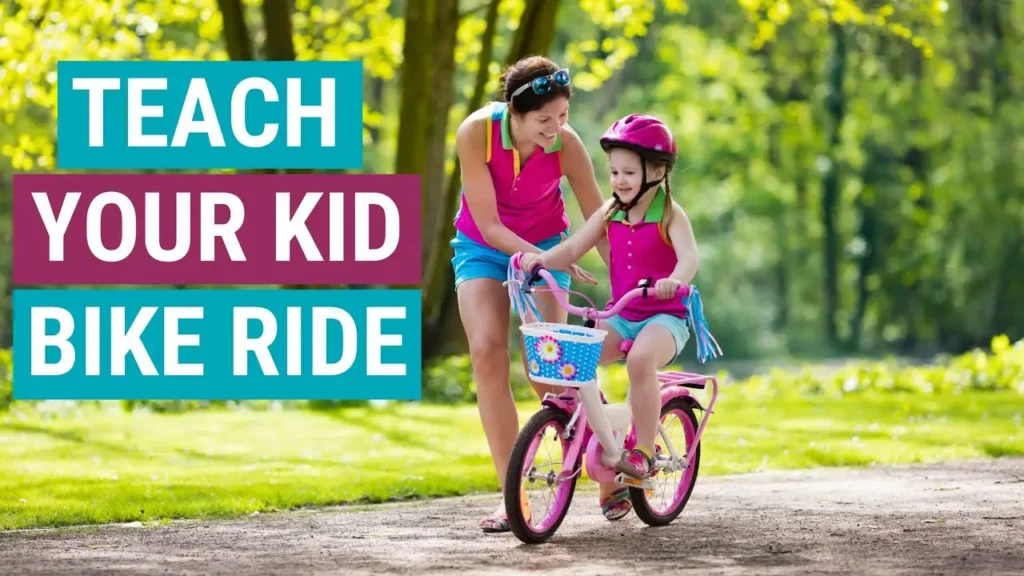
Learning to ride a bike is an important moment in a child’s life. It helps kids grow stronger, more confident, and more independent. Many parents feel nervous about safety, while kids may fear falling or losing balance. These worries are normal. This guide helps parents teach bike riding step by step in a calm and positive way. This guide helps parents create a safe space for their child to learn. It makes biking enjoyable and fosters a lifelong love for the activity.
Bike riding supports a child’s physical and mental development. It improves balance, coordination, and muscle strength. Riding also boosts confidence because kids learn a new skill on their own. Outdoor biking keeps children active and reduces screen time. It also teaches focus and responsibility. Bike riding is the most enjoyable activity. When kids enjoy learning, they stay motivated. This makes bike riding a healthy habit that benefits them as they grow older.
Most children learn to ride a bike between the ages of 3 and 6. Some start earlier using a newyoo toddler tricycle or kids tricycle. Some people may must extra time, and that is completely acceptable. Every child learns at their own pace. Age is less important than readiness. If your child walks with confidence, listens to simple directions, and shows interest in bikes, they might be ready to start learning.
Choosing the correct bike makes learning easier and safer. Always select a bike based on your child’s height, not age. When sitting on the seat, both feet should touch the ground fully. This helps with balance and confidence. Lightweight bikes for kids are best for beginners because they are easy to control. Bikes for kids, including mountain bikes and balance bikes, need to be comfortable and stable.
Safety should always come first when teaching a child to ride a bike. Kids must wear a bike helmet that fits well at all times. Knee and elbow pads add extra protection and reduce fear. Choose a flat, open, and quiet practice area, like a park or empty playground. Avoid traffic and rough surfaces. Always check the bike’s brakes, tires, and seat height before starting practice.
Balance is the most important skill in bike riding. Pedaling can come later. One effective method is removing the pedals and lowering the seat. This allows the child to push the bike with their feet and glide. The push-and-glide method teaches natural balance without fear. It works better than training wheels and helps kids gain confidence faster. Once you learn balance, pedaling becomes much easier.
After your child learns balance, it is time to add the pedals back. Adjust the seat to a height that makes pedaling comfortable. Start on a straight, flat surface. Teach your child to pedal at a slow pace while looking forward. Prove the technique for gentle steering and explain the operation of the brakes. Practice smooth stopping. Stay close for support, but allow your child to ride alone to build confidence and control.
Short and fun practice sessions work best for kids. Ten to fifteen minutes are enough at one time. Long sessions can cause stress and tiredness. Practice two to four times a week for steady improvement. Use positive words and praise effort, not success. Never pressure your child. When kids see learning as play, they stay motivated. They learn faster and feel less fear or frustration.
Many parents rely too much on training wheels, which can delay balance learning. Another mistake is pushing the child before they feel ready. This creates fear and slows progress. Choosing the wrong bike size or an unsafe practice area can also cause problems. Avoid comparing your child to others. Stay patient and supportive. A calm parent helps the child feel safe and confident while learning.
Every child learns at a different speed. Some kids learn in a few days, while others may take weeks. Both are normal. Learning speed depends on confidence, balance skills, practice frequency, and bike type. Small setbacks, such as fear after a fall, are common. Take breaks if needed and try again later. Consistent practice and encouragement always lead to success.
Teaching a kid to ride a bike is a journey that requires patience and love. Celebrate small achievements like balancing, short rides, or confident pedaling. Make bike riding fun by riding together as a family. Choose safe, high-quality bikes and gear from trusted brands like Alzohr. With encouragement and time, your child will gain confidence and enjoy riding. Start today and create happy memories that last a lifetime.
Training wheels are not recommended. Balance-first methods help kids learn faster and ride independently.
A helmet is required. Knee and elbow pads are also highly recommended for beginners.
Kids electric bike or electric bike for kids is suitable only for older children with experience and supervision.
Lightweight bikes for kids with proper seat height and size are best for beginners.